

Search Results
Showing 801 - 810 of 1540 results
 Paperback
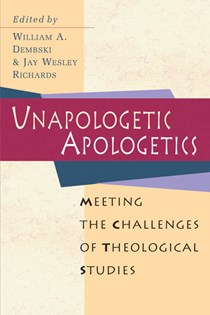
Unapologetic Apologetics
Meeting the Challenges of Theological Studies
Afterword by James Parker III
Foreword by Phillip E. Johnson
Edited by William A. Dembski and Jay W. RichardsAs objective truth has come under suspicion in theological study during recent years, scholars and students have also begun to take less seriously the task of persuading others to believe. Apologetics has been neglected, misunderstood and misrepresented. Unwilling to accept this new status quo, editors William Dembski and Jay Wesley Richards, along with their team of expert contributors, firmly ...
 Paperback
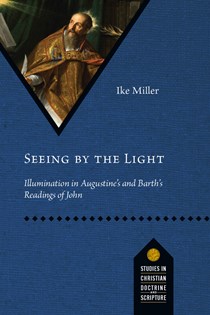
Seeing by the Light
Illumination in Augustine's and Barth's Readings of John
Studies in Christian Doctrine and Scripture
by Ike Miller
Series edited by Kevin J. Vanhoozer and Daniel J. TreierHow can we understand God's revelation to us?
Throughout the church's history, theologians have often answered this question by appealing to a doctrine of illumination whereby the Holy Spirit shapes our knowledge and understanding of Scripture. Without denying the role of the Holy Spirit or the cognitive role of illumination, Ike Miller casts a broader vision of divine illumination ...
 Paperback
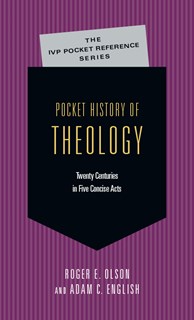
Pocket History of Theology
The IVP Pocket Reference Series
by Roger E. Olson and Adam C. English
"The story of Christian theology does not begin at the beginning. . . .Theology is the church's reflection on the salvation brought by Christ and on the gospel of that salvation proclaimed and explained by the first-century apostles."
Here is a concise and informative guide to the history of Christian theology. This condensation of Roger Olson's widely acclaimed The Story of Christian ...
 Paperback
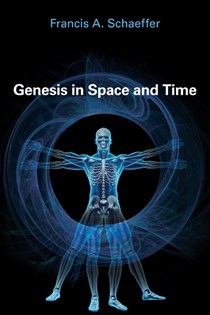
Genesis in Space and Time
by Francis A. Schaeffer
Genesis is a book of orgins--the orgin of the universe, the origin of life and the origin of man. It places man in his cosmic setting, shows his particular uniquness, explains his wonder and his flaw, and begins to trace the flow of human historythrough space and time.Many today, however, view this book as a collection of myths, useful for understanding the Hebrew mind, perhaps, but vertainly not ...
 Paperback
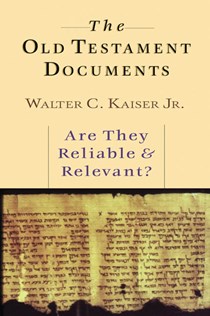
The Old Testament Documents
Are They Reliable Relevant?
by Walter C Kaiser
Can you trust what you read in the Old Testament?Are its documents historically reliable?Are its teachings relevant in the twenty-first century? These are important questions for all who believe that Christianity is a religion founded on events that took place in space-time history, indeed for all who care about truth and meaning in life.In this thought-provoking book Walter C. Kaiser Jr. makes ...
 Paperback
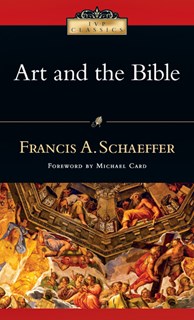
Art and the Bible
IVP Classics
by Francis A. Schaeffer
Foreword by Michael Card"The lordship of Christ should include an interest in the arts," writes Francis Schaeffer. "A Christian should use these arts to the glory of God, not just as tracts, mind you, but as things of beauty to the praise of God."Many Christians, wary ofcreating graven images, have steered clear of artistic creativity. But the Bible offers a robust affirmation of the arts. The human impulse to create reflects ...
 Paperback
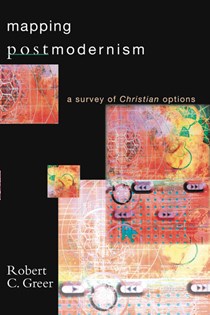
Mapping Postmodernism
A Survey of Christian Options
by Robert C. Greer
By now we've all heard the word postmodernism.
- But what is it?
- Can it be defined?
- Does it really represent a monumental shift away from how we use to think about right and wrong, truth, the world, and even the whole cosmos?
- Most important, how should Christians respond?
Robert C. Greer helps us grasp the nature of the shifts in thinking and ...
 Paperback
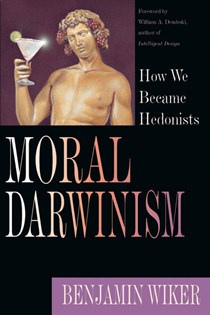
Moral Darwinism
How We Became Hedonists
by Benjamin Wiker
Foreword by William A. DembskiAbortion. Euthanasia. Infanticide. Sexual promiscuity.Ideas and actions once unthinkable have become commonplace. We seem to live in a different moral universe than we occupied just a few decades ago. Consent and noncoercion seem to be the last vestiges of a morality long left behind. Christian moral tenets are now easily dismissed and have been replaced with what is curiously presented as a superior, ...
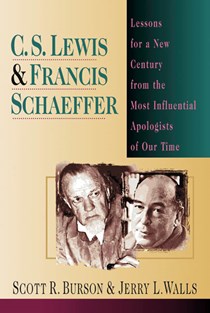 Paperback
C. S. Lewis Francis Schaeffer
Lessons for a New Century from the Most Influential Apologists of Our Time
by Scott R. Burson and Jerry L. Walls
In some ways, they could not be more different: the pipe-smoking, Anglican Oxford don and the blue-collar scion of conservative Presbyterianism. But C. S. Lewis and Francis Schaeffer, each in his unique way, fashioned Christian apologetics that influenced millions in their lifetimes. And the work of each continues to be read and studied today.In this book Scott Burson and Jerry Walls compare and ...
 Paperback
Christian Apologetics in the Postmodern World
Wheaton Theology Conference Series
Edited by Timothy R. Phillips and Dennis L. Okholm
Evangelicals are beginning to provide analyses of our postmodern society, but little has been done to suggest an effective apologetic strategy for reaching a culture that is pluralistic, consumer-oriented, and infatuated with managerial and therapeutic approaches to life. This, then, is the first book to address that vital task.In these pages some of evangelicalism's most stimulating thinkers consider ...


