

Studies in Christian Doctrine and Scripture
Studies in Christian Doctrine and Scripture (SCDS), edited by Daniel J. Treier and Kevin J. Vanhoozer, promotes evangelical contributions to systematic theology, seeking fresh understanding of Christian doctrine through creatively faithful engagement with Scripture in dialogue with church tradition.
Volumes in SCDS explore the synergy between Scripture and contemporary issues, rooted in the classic evangelical commitment to Scripture as well as the perpetual need to contextualize with creative fidelity. Likewise, these volumes promote historically informed engagements with the crucial themes of classic dogmatics and contemporary systematic theology in order to promote scholarship that is theologically competent and biblically literate.
Some volumes engage in detailed exegesis while others appropriate broader biblical themes and patterns with the ultimate goal of promoting the constructive engagement between Scripture and Christian theology. This series promotes evangelical contributions to Christian doctrine by incorporating approaches from
- biblical theology,
- history of interpretation,
- theological interpretation of Scripture,
- and more.
Advisory Board:
- Stephen R. Holmes, University of St. Andrews
- Thomas McCall, Asbury Theological Seminary
- Suzanne McDonald, Western Theological Seminary
- Paul Nimmo, University of Aberdeen
- Fred Sanders, Torrey Honors Institute, Biola
Praise for Books in the Series
"[Theology and the Mirror of Scripture] is not just another book about evangelicalism—its fissures, successes, designs and contusions. Rather, it is a proposal for doing mere evangelical theology—mere as genuine, not minimal—one that draws on the wisdom of the entire Christian tradition. Well-written and clearly argued, this book offers a compelling way forward for the evangelical church today."
—Timothy George, founding dean, Beeson Divinity School of Samford University, general editor, Reformation Commentary on Scripture
"Leeman's well-argued book [Political Church] is a welcome reminder that the full reality of the church is to be found in the local congregation. I cannot imagine that his book will not become a standard work in this area of theological inquiry."
—Stanley Hauerwas, Gilbert T. Rowe Professor Emeritus of Divinity and Law, Duke University
"A seminal work and one of the most compelling restatements of the classical Reformed doctrine of God provided in a generation. This learned work [God in Himself] engages with both the Thomistic and Barthian theological legacies simultaneously, while also navigating core challenges from Kantian and analytic philosophical traditions. God, analogy, the immanent Trinity, and the incarnation are all discussed with sophistication and judicious discernment. This book can serve as a touchstone and exemplar for future projects in Reformed Thomistic thought."
—Thomas Joseph White, Thomistic Institute, Angelicum, Rome
About the Series Editors
Daniel J. Treier
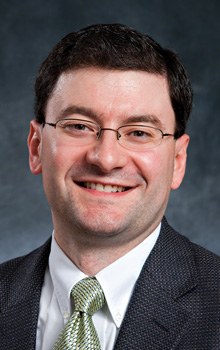
Daniel J. Treier (PhD, Trinity Evangelical Divinity School) is Blanchard Professor of Theology at Wheaton College. He is the coeditor of nine books and author of three, including Virtue and the Voice of God and Introducing TheologicalInterpretation of Scripture.
Kevin J. Vanhoozer
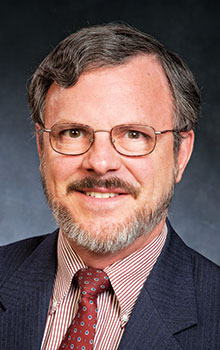
Kevin J. Vanhoozer (PhD, Cambridge University) is Research Professor of Systematic Theology at Trinity Evangelical Divinity School in Deerfield, Illinois. He is the author of many works, including First Theology, The Drama of Doctrine and is coauthor with Daniel Treier of Theology and the Mirror of Scripture.
Subtotal: $0.00
-
 paperback
The Fire of Glory
A Biblical and Dogmatic Account of God's Holiness and Divine Judgment
Studies in Christian Doctrine and Scripture
by Derek Rishmawy
Series edited by Kevin J. Vanhoozer and Daniel J. TreierIn The Fire of Glory, Derek Rishmawy develops a comprehensive historical, biblical, and dogmatic treatment of God’s holiness in the Old Testament and the ministry of Jesus.
Rishmawy examines God's holiness as God's core principle of action in creation and throughout history, sanctifying himself through his unique acts of judgment, purification, and redemption. Further, ...
-
 paperback
Enacting Atonement
The Narrative Logic of Sacrifice and Sonship in Leviticus
Studies in Christian Doctrine and Scripture
by Roy Edmonds McDaniel
Series edited by Daniel J. Treier and Kevin J. VanhoozerDiscover the story of salvation in Christ through Levitical rituals
Atonement lies at the heart of the Christian faith. In Christ's work of atonement, we are reconciled to God, enabled to draw near to him, and can see his glory. Through studying the Levitical burnt offering, Roy McDaniel takes readers on a deep exploration of Leviticus 1:1-9 in this thought-provoking volume, ...
-
 paperback
The Pursuit of Safety
A Theology of Danger, Risk, and Security
Studies in Christian Doctrine and Scripture
by Jeremy M. Lundgren
Foreword by Marc CortezIn this constructive theological analysis of safety, theologian Jeremy Lundgren addresses the conceptual development of safety through premodern, early modern, and late modern settings and gives practical guidance on how to faithfully engage the pursuit of safety in the present day.
-
 paperback
Local and Universal
A Free Church Account of Ecclesial Catholicity
Studies in Christian Doctrine and Scripture
by Christopher Ryan Fields
Series edited by Kevin J. Vanhoozer and Daniel J. TreierHow might we reclaim the universality of the church without losing its local situatedness? In this SCDS volume, C. Ryan Fields juxtaposes the Free Church tradition with its Episcopal counterpart, arguing that the Free Church tradition can helpfully inform our understanding of the one body of Christ while remaining true to its local roots.
-
 paperback
The Trinity in the Book of Revelation
Seeing Father, Son, and Holy Spirit in John's Apocalypse
Studies in Christian Doctrine and Scripture
by Brandon Dean Smith
Foreword by Lewis Ayres
Series edited by Kevin J. Vanhoozer and Daniel J. TreierWith its vivid imagery and rich prophetic language, the book of Revelation confronts and confuses readers perhaps more than any other Biblical book. Brandon Smith brings clarity by reading Revelation primarily as John's faithful vision of the triune God, and in doing so, helps us better worship the one who is Father, Son, and Holy Spirit.
-
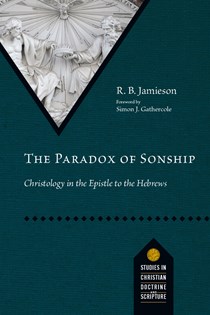 paperback
The Paradox of Sonship
Christology in the Epistle to the Hebrews
Studies in Christian Doctrine and Scripture
by Robert B Jamieson
Foreword by Simon J. Gathercole
Series edited by Kevin J. Vanhoozer and Daniel J. TreierWhat does the epistle to the Hebrews mean when it calls Jesus "Son"? Pastor and New Testament scholar R. B. Jamieson probes the complexity of the Christology presented in the epistle to the Hebrews. Exploring the paradox of this key term, Jamieson argues that "Son" names both who Jesus is eternally and what he becomes at the climax of his incarnate, saving mission.
-
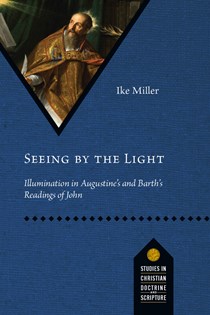 paperback
Seeing by the Light
Illumination in Augustine's and Barth's Readings of John
Studies in Christian Doctrine and Scripture
by Ike Miller
Series edited by Kevin J. Vanhoozer and Daniel J. TreierHow can we understand God's revelation to us? Exploring both Augustine's and Karl Barth's readings of the Johannine literature, Ike Miller casts a broader vision of divine illumination, arguing for a fully Trinitarian view of illumination that forms not just our intellect, but also appeals to the affections and encourages our ethical action.
-
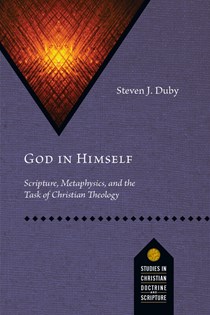 paperback
God in Himself
Scripture, Metaphysics, and the Task of Christian Theology
Studies in Christian Doctrine and Scripture
by Steven J. Duby
Series edited by Kevin J. Vanhoozer and Daniel J. TreierHow do we know God? Can we know God as he is in himself? Theologians have argued for the role of natural and supernatural revelation, while others have argued that we know God only on the basis of the incarnation. In this SCDS volume, Steven J. Duby casts a vision for integrating natural theology, the incarnation, and metaphysics in a Christian description of God in himself .
-
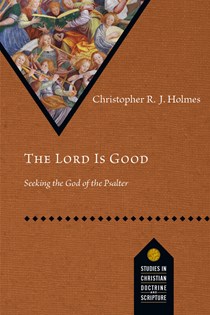 paperback
The Lord Is Good
Seeking the God of the Psalter
Studies in Christian Doctrine and Scripture
by Christopher R. J. Holmes
Series edited by Kevin J. Vanhoozer and Daniel J. TreierThe good that God does—and that God calls us to do—is anchored in the fullness of good that God is. In this SCDS volume, Christopher R. J. Holmes explores the divine attribute of God’s goodness by offering a theological interpretation of the Psalter and engaging with the church’s rich theological tradition, especially Augustine and Aquinas.
-
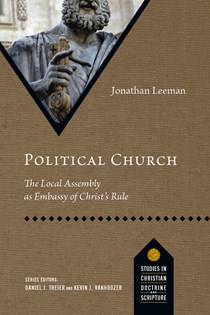 paperback
Political Church
The Local Assembly as Embassy of Christ's Rule
Studies in Christian Doctrine and Scripture
by Jonathan Leeman
Series edited by Kevin J. Vanhoozer and Daniel J. TreierWhat is the nature of the church as an institution? What are the limits of the church's political reach? Drawing on covenant theology and the "new institutionalism" in political science, Jonathan Leeman critiques political liberalism and explores how the biblical canon informs an account of the local church as an embassy of Christ's kingdom.
-
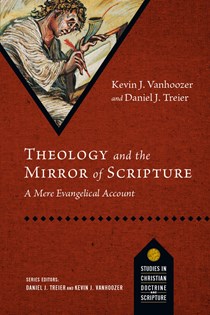 paperback
Theology and the Mirror of Scripture
A Mere Evangelical Account
Studies in Christian Doctrine and Scripture
by Kevin J. Vanhoozer and Daniel J. Treier
In this inaugural volume in the Studies in Christian Doctrine and Scripture, Kevin J. Vanhoozer and Daniel J. Treier set forth a programmatic proposal for evangelical theology, rooted in the claim that the church's vocation is to mirror the witness of Scripture in its doctrine and discipleship.


