

Search Results
Showing 1 - 10 of 160 results
 Paperback
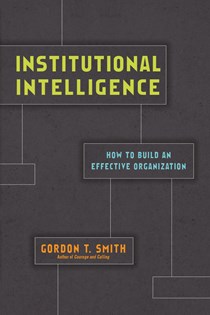
Institutional Intelligence
How to Build an Effective Organization
by Gordon T. Smith
Institutions matter. But we often view them somewhat cynically, perhaps as a necessary evil.
In truth, institutions remain essential to human flourishing. They are the very means by which communities thrive, individual vocations are fulfilled, and society is changed for the good. We all must learn the wisdom of working effectively within institutions—what Gordon Smith calls ...
 Paperback
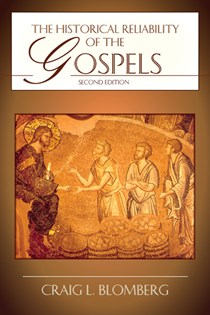
The Historical Reliability of the Gospels
by Craig L. Blomberg
For over twenty years, Craig Blomberg's The Historical Reliability of the Gospels has provided a useful antidote to many of the toxic effects of skeptical criticism of the Gospels. Offering a calm, balanced overview of the history of Gospel criticism, especially that of the late twentieth century, Blomberg introduces readers to the methods employed by New Testament scholars and shows both ...
 Paperback
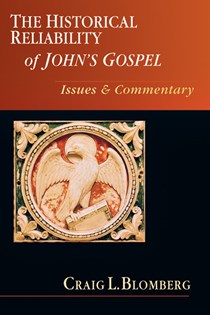
The Historical Reliability of John's Gospel
Issues & Commentary
by Craig L. Blomberg
Throughout much of the twentieth century the Fourth Gospel took a back seat to the Synoptics when it came to historical reliability. Consequently, the contemporary quest of the historical Jesus discounted or excluded evidence from the Fourth Gospel.
The question of the historical reliability of John's Gospel is well overdue for a thorough reinvestigation and reassessment. In this foundational ...
 Paperback
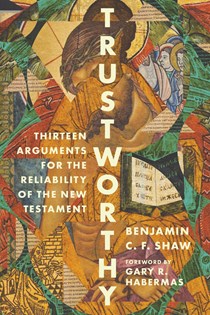
Trustworthy
Thirteen Arguments for the Reliability of the New Testament
by Benjamin C. F. Shaw
Foreword by Gary R. HabermasHow can we be sure the New Testament is trustworthy?
It's an important question, yet debates about its historical accuracy often feel overwhelming and difficult to engage with. We want to be confident that the New Testament’s accounts are true and reliable, but scholarly discussions around the authenticity of the events recounted in Scripture can be challenging to navigate. ...
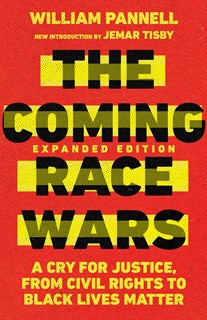 Paperback
The Coming Race Wars
A Cry for Justice, from Civil Rights to Black Lives Matter
by William E Pannell
Introduction by Jemar TisbyIn the wake of the 1992 Los Angeles riots, Fuller Seminary theologian William Pannell decried the sentiment among white evangelicals that racism was no longer an urgent matter. In The Coming Race Wars? he meticulously unpacked reasons why our nation—and the church—needed to come to terms with our complicity in America's racial transgressions before we face a more dire reckoning. ...
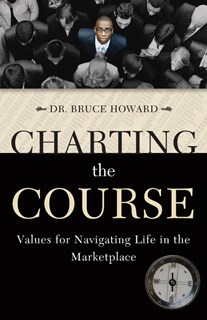 Paperback
Charting the Course
Values for Navigating Life in the Marketplace
by Bruce Howard
Why is it that the same economic forces that produce good things for us like penicillin and housing are just as effective at bringing us things like pornography and heroin? How can the same systems of production generate such a wide array of goodand bad outcomes? Markets are morally neutral. But people are not. Markets recognize no moral difference between good and evil. Markets don't inherently ...
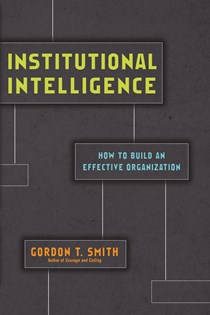
 Ebook
EbookInstitutional Intelligence
How to Build an Effective Organization
by Gordon T. Smith
Institutions matter. But we often view them somewhat cynically, perhaps as a necessary evil.
In truth, institutions remain essential to human flourishing. They are the very means by which communities thrive, individual vocations are fulfilled, and society is changed for the good. We all must learn the wisdom of working effectively within institutions—what Gordon Smith calls ...
-
American Society of Missiology, the ecumenical professional association for mission studies in North America, honors books that provide an exchange of ideas, issues, and scholarship focused on the church's call to participate in God's mission.
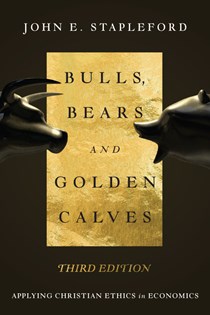 Paperback
Bulls, Bears and Golden Calves
Applying Christian Ethics in Economics
by John E. Stapleford
Self-interest, economic efficiency and private property rights are among the most basic assumptions of market economics. But can an economic theory built on these assumptions alone provide adequate insight into human nature, motivation and ultimate goals to guide our economic life?John Stapleford says no, along with those economists who recognize the limits of their discipline. He insightfully shows ...
 Paperback
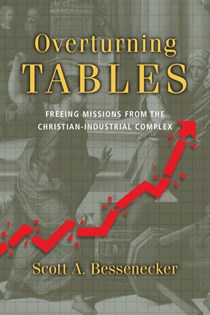
Overturning Tables
Freeing Missions from the Christian-Industrial Complex
by Scott A. Bessenecker
Outreach Resource of the Year Recommendation
Best World Missions Book, from Byron Borger, Hearts and Minds Bookstore
We are more than the businesses we have become.
Muchof Christian ministry has been shaped to operate not according to the witness of the Scriptures, but according to the values of the free market. We adopt ...