

Search Results
Showing 291 - 300 of 575 results
-
 paperback
God's Unfaithful Wife
A Biblical Theology of Spiritual Adultery
New Studies in Biblical Theology
by Raymond C Ortlund, Jr.
Series edited by D. A. CarsonThe biblical theme of spiritual adultery stands in all its bluntness for a deeply offensive sin—the unfaithfulness of God's covenant people in departing from Yahweh, their husband, and going after false gods.
Raymond C. Ortlund Jr. begins by showing how the Genesis vision of human marriage provides the logic and coherent network of meanings for the story of Israel's relationship with Yahweh. ...
-
 paperback
From Every People and Nation
A Biblical Theology of Race
New Studies in Biblical Theology
by J. Daniel Hays
Series edited by D. A. Carson"After this I looked and there before me was a great multitude that no one could count, from every nation, tribe, people and language . . ." (Revelation 7:9).The visions in the book of Revelation give a glimpse of the people of God at the consummation of history—a multiethnic congregation gathered together in worship around God's throne. Its racial diversity is expressed in a fourfold formula that ...
-
 paperback
Hearing God's Words
Exploring Biblical Spirituality
New Studies in Biblical Theology
by Peter Adam
Series edited by D. A. CarsonMany discussions of Christian spirituality draw on a range of traditions and "disciplines." Little attention, however, appears to have been given to the Bible itself for its teaching on this theme or as a source of spirituality. Similarly, it is commonly assumed that, when it comes to spirituality, the evangelical tradition has little to offer.In response, Peter Adam urges us to renew our confidence ...
-
 paperback
Shepherds After My Own Heart
Pastoral Traditions and Leadership in the Bible
New Studies in Biblical Theology
by Timothy S. Laniak
Series edited by D. A. CarsonScripture says, "I will give you shepherds after my own heart, who will lead you with knowledge and understanding" (Jeremiah 3:15).Most of Israel's pastoral imagery is grounded in two traditions: Moses as God's under-shepherd and David as shepherd-king. These traditions, explains author Timothy S. Laniak, provided prototypes for leaders that followed, and formed the background for the ministry of ...
-
 paperback
Adopted into God's Family
Exploring a Pauline Metaphor
New Studies in Biblical Theology
by Trevor J. Burke
Series edited by D. A. CarsonThe relationship between God and his people is understood in various ways by the biblical writers, and it is arguably the apostle Paul who uses the richest vocabulary..
Unique to Paul's writings is the term huiothesia, the process or act of being "adopted as son(s)." It occurs five times in three of his letters, where it functions as a key theological metaphor..
In this New ...
-
 paperback
Sealed with an Oath
Covenant in God's Unfolding Purpose
New Studies in Biblical Theology
by Paul R. Williamson
Series edited by D. A. CarsonPaul R. Williamson looks at the role of the covenant concept in Scripture and the meaning of this terminology. He then sets the idea of covenant in the context of God's universal purpose, and traces the idea through Noah and the patriarchs, the nation of Israel and the kingship of David. Lastly, he shows how the new covenant is anticipated in the Old Testament and fulfilled in the New.In this New ...
-
 paperback
God the Peacemaker
How Atonement Brings Shalom
New Studies in Biblical Theology
by Graham A Cole
Series edited by D. A. CarsonWhat does God intend for his broken creation? In this New Studies in Biblical Theology volume, Graham A. Cole seeks to answer this question by setting the atoning work of the cross in the broad framework of God's grand plan to restore the createdorder, and places the story of Jesus, his cross and empty tomb within it. Since we have become paradoxically the glory and garbage of the universe, our ...
-
 paperback
Bound for the Promised Land
New Studies in Biblical Theology
by Oren Martin
Series edited by D. A. CarsonJust as the Old Testament book of Genesis begins with creation, where humans live in the presence of their Lord, so the New Testament book of Revelation ends with an even more glorious new creation where all of the redeemed dwell with the Lord andhis Christ.
The historical development between the beginning and the end is crucial, for the journey from Eden to the new Jerusalem proceeds through ...
-
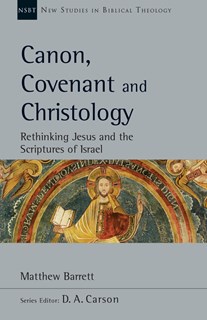 paperback
Canon, Covenant and Christology
Rethinking Jesus and the Scriptures of Israel
New Studies in Biblical Theology
by Matthew Barrett
Series edited by D. A. Carson"All Scripture is breathed out by God" (2 Timothy 3:16). From Paul's epistles the divine inspiration of Scripture may be confidently affirmed. However, on turning to Jesus and the Gospels, it is difficult to find such an explicit approach.
In this New Studies in Biblical Theology volume, Matthew Barrett argues that Jesus and the apostles have just as convictional a doctrine of Scripture as ...
-
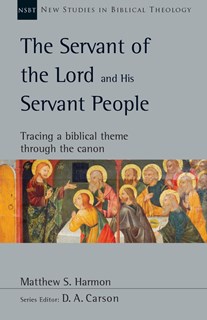 paperback
The Servant of the Lord and His Servant People
Tracing a Biblical Theme Through the Canon
New Studies in Biblical Theology
by Matthew S. Harmon
Series edited by D. A. CarsonIt is often recognized that the title "servant" is applied to key figures throughout the Bible, culminating in Jesus Christ. In this New Studies in Biblical Theology volume Matthew Harmon carefully traces this theme from Genesis to Revelation with the intention of seeing how earlier servants point forward to the ultimate Servant. While this servant theme certainly is significant ...


