

Search Results
Showing 71 - 80 of 4335 results
 Paperback
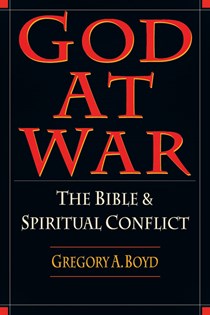
God at War
The Bible and Spiritual Conflict
by Gregory A. Boyd
In this bold and compelling work, Gregory Boyd undertakes to reframe the central issues of Christian theodicy. By Boyd's estimate, theologians still draw too heavily on Augustine's response to the problem of evil, attributing pain and suffering to the mysterious "good" purposes of God.Accordingly, modern Christians are inclined not to expect evil and so are baffled but resigned when it occurs. New ...
 Paperback
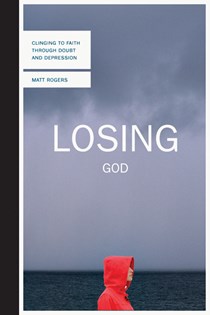
Losing God
Clinging to Faith Through Doubt and Depression
by Matt Rogers
It was the perfect irony. To lose God at a missions conference.What's worse, Matt Rogers will tell you, is that it all felt like fate. Years later, even after Matt's depression subsided, the feeling of being forgotten had not left him. So he knewhe had to write it down.Recounting his own experience with depression, Matt Rogers explores the question of how, in a world of suffering, we can call God ...
 Paperback
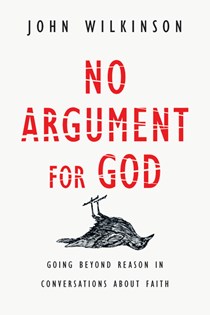
No Argument for God
Going Beyond Reason in Conversations About Faith
by John Wilkinson
Religion is irrational! New atheists trumpet the claim loudly, so much so that it's become a sort of conventional wisdom. Professing your faith in God sounds increasingly like a confession of intellectual feebleness. Belief in God sounds as cute and quaint as it does pointless.John Wilkinson contends that the irrationality of faith is its greatest asset, because rationalism itself sets artificial ...
 Paperback
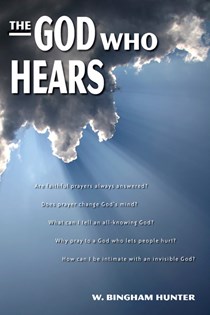
The God Who Hears
by W. Bingham Hunter
To pray is to know God."If God really cared he would answer my prayer." "I hesitate to ask him anything." "I can't understand why he continues to ignore my deepest needs." Bingham Hunter recognizes that most believers have these thoughts from time to time. He encourages us to look at prayer from the standpoint of who God is.The true aim of prayer is intimacy with God. We pray effectively when we ...
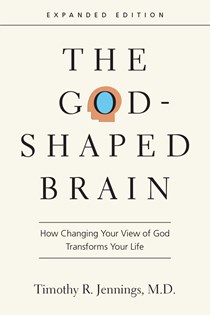 Paperback
The God-Shaped Brain
How Changing Your View of God Transforms Your Life
by Timothy R. Jennings
What you believe about God actually changes your brain.Brain research in neuroscience has found that our thoughts and beliefs affect our physical, mental and spiritual health. Mind and body are interrelated, and we are designed for healthy relationships of love and trust. When we understand God as good and loving, we flourish. Unfortunately, many of us have distorted images of God and mostly think ...
 Audiobook
When Your World Ends
God's Creative Process for Rebuilding a Life
Foreword by Carol Kent
Read by Dawn SandersHow do you rebuild your life after it falls apart?
Catastrophic events often feel like the end of the world. When we feel like we have nothing left, we sometimes wish for our own end too. Yet God keeps waking us up every morning—a sign that God wants us to keep living when our world ends. We must find our way to the new life that awaits us on the other side of loss. But how?
Dawn ...
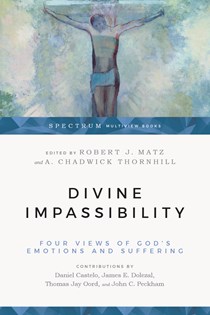 Paperback
Divine Impassibility
Four Views of God's Emotions and Suffering
Spectrum Multiview Book Series
Edited by Robert J. Matz and A. Chadwick Thornhill
Does God suffer? Does God experience emotions? Does God change? How should we interpret passages of Scripture that seem to support one view or the other? And where do the incarnation and Christ's suffering on the cross fit into this?
This Spectrum Multiview volume brings together four theologians with decidedly different answers to these questions. The contributors make a ...
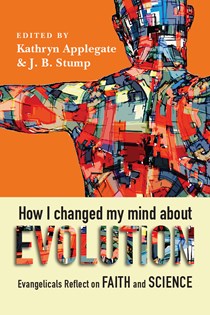 Paperback
How I Changed My Mind About Evolution
Evangelicals Reflect on Faith and Science
BioLogos Books on Science and Christianity
Foreword by Deborah Haarsma
Edited by Kathryn Applegate and J. B. StumpPerhaps no topic appears as potentially threatening to evangelicals as evolution. The very idea seems to exclude God from the creation the book of Genesis celebrates. Yet many evangelicals have come to accept the conclusions of science while stillholding to a vigorous belief in God and the Bible. How did they make this journey? How did they come to embrace both evolution and faith?
Here are ...
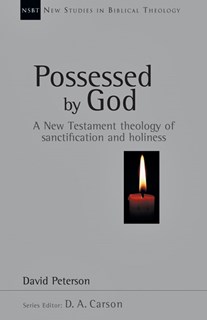 Paperback
Possessed by God
A New Testament theology of sanctification and holiness
New Studies in Biblical Theology
by David G. Peterson
Series edited by D. A. CarsonIn this New Studies in Biblical Theology volume, David Peterson challenges the common assumption that the New Testament views sanctification as primarily a process. He argues that its emphasis falls upon sanctification as a definitive event, "God's way of taking possession of us in Christ, setting us apart to belong to him and to fulfill his purpose for us." Simply to identify sanctification with ...
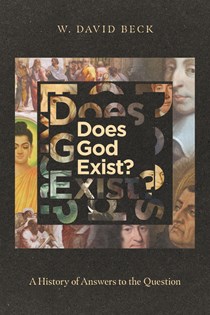 Paperback
Does God Exist?
A History of Answers to the Question
by W. David Beck
Does God exist?
Throughout the history of philosophical and theological reflection, this fundamental question has prompted a range of responses.
In one incisive volume, philosopher W. David Beck offers a narrative of pre-Christian, Jewish, Buddhist, Christian, and Islamic arguments for God's existence. Here, readers will encounter both classical and contemporary arguments, ...


