

Hard Saying of the Day
Are you grappling with a difficult verse in the Bible? And are you looking for a short, easy-to-read answer that really makes sense without explaining away the verse? Visit this page for a daily excerpt from Hard Sayings of the Bible or Hard Sayings of Jesus.
BOOK OF THE MONTH
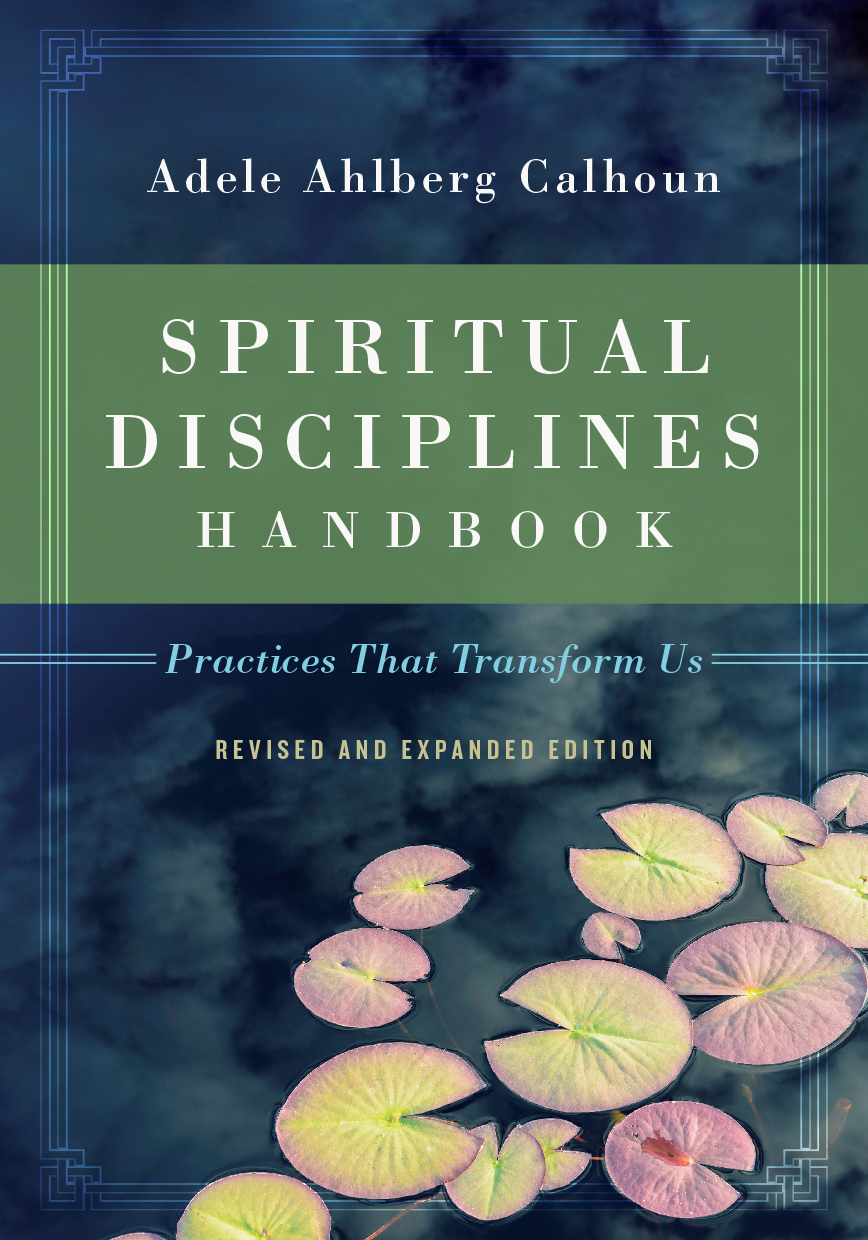
Spiritual Disciplines Handbook
by Adele Ahlberg Calhoun
"This handbook is a treasure of 'tried and true' spiritual practices written well enough for everyone from the novice to the master to use." —Publishers Weekly Starred Review
Use code IVPBOTWJUN26 to get 40% off our featured book this month!
Todays' Study
1 Peter 4:17: Judgment to Begin with the Family of God?
I do not enjoy thinking about the judgment of anyone; I especially dislike considering my own possible judgment. Thus, it bothers me when the author of this epistle suddenly begins to refer to the persecution of Christians (the context of this passage) as judgment. But did not Christ take the judgment of believers? How can Peter take such a gloomy perspective, if he really believes in grace? Does that mean that if I am persecuted I am a sinful Christian in need of judgment? Wouldn't that perspective add guilt to my suffering, rather than allow me to rejoice in suffering for Christ?
The answer to our questions is relatively easy, although it is not comfortable to contemplate. The topic of the passage is "the judgment" (the Greek text has the definite article). What judgment could this be? Peter has already referred to judgment (1 Pet 1:17; 2:23; 4:5-6), and in every case it is God's judgment and therefore probably the final judgment. Given the use of the same phrase in other New Testament passages (Acts 24:25; Rom 2:2-3; Heb 6:2; 2 Pet 3:7; Jude 4; Rev 17:1; 18:20), this conclusion becomes firm. Thus 1 Peter is saying that the final judgment is beginning not with the pagans or the unbelieving Jews, but with the family of God, the church. The persecution they are experiencing is a phase of that final judgment.
How this is the case becomes clear when we examine God's judging in Jewish tradition. In an Old Testament tradition, judgment begins at God's house. For example, Ezekiel 9:5-6 reads, "Follow him through the city and kill. . . . Begin at my sanctuary." Jeremiah, in speaking to the nations, says, "See, I am beginning to bring disaster on the city that bears my Name, and will you indeed go unpunished?" (Jer 25:29). The nations will not go unpunished, for judgment has begun with God's own people. Likewise, at the end of the Old Testament period, Malachi 3:1-6 speaks of the Lord coming to his temple and purifying the Levites. He concludes, "So I will come near to you for judgment." Does the Lord judge his people? The answer of the Old Testament is yes, and if so, how much more severely will he judge the pagan nations.
In Malachi and continuing in the intertestamental period, this judgment is interpreted as a purifying judgment, which will bring God's people to repentance. "Therefore, he did not spare his own sons first. . . . Therefore they were once punished that they might be forgiven" (2 Baruch 13:9-10).1 The New Testament shares this position. Not only is the story of Ananias and Sapphira (Acts 5) a graphic example, but Paul clearly states this teaching. Speaking to Christians who were ill because of their sin, Paul writes, "If we judged ourselves, we would not come under judgment. When we are judged by the Lord, we are being disciplined so that we will not be condemned with the world" (1 Cor 11:31-32). Hebrews 12:7-11 also speaks of the suffering of Christians as discipline, although discipline can come for two reasons. Soldiers go through the discipline of training programs to harden themselves so that they may stand in battle; children are disciplined when they have done wrong. Both appear to be in the mind of the author of Hebrews, although the latter is foremost for Paul.
There is, then, a New Testament teaching that God will judge his church, his people. This judgment is a discipline to harden them so that they will not sin or to turn them from the sin into which they have already fallen. It is therefore grace, for God disciplines so that he will not have to condemn Christians in the concluding phase of the final judgment (that is also the hope of church discipline; 1 Cor 5:5). It is based on grace, for we never hear of God judging Christians for sins that they have repented of. Yet, gracious as it is, such a judgment is very real and very painful, a point upon which all of the New Testament authors agree.
Part of the graciousness of God's act is seen in Peter's question "What will the outcome be for those who do not obey the gospel?" If the beginning of the final judgment, the purifying action of God within his church, is so severe, despite the fact that they are God's own family and have obeyed the gospel, what will the conclusion of the final judgment be like when he turns his attention to those who have refused to obey him? It is a mercy that God turns his church to repentance and spares it from the fate of the unbeliever. That is precisely what Peter concludes, citing the Greek form of Proverbs 11:31, "If it is hard for the righteous to be saved, what will become of the ungodly and the sinner?" (1 Pet 4:18). Faith will be tested (1 Pet 1:6; 4:12), for Jesus said that the way to life was narrow (Lk 13:23-24), but for the unbelievers, "It is a dreadful thing to fall into the hands of the living God" (Heb 10:31).
In this passage, then, Peter has three ways of looking at persecution. First, it is a test of faith, showing if the commitment of the professed Christian is genuine or not (1 Pet 4:12). Second, it is an identification with the sufferings of Christ, which will not only result in glory in the future, but leads to the Spirit of glory resting upon them now (1 Pet 4:13-14). Finally, it is a discipline or judgment, which shows that they are in fact God's family and purifies them to live more in the character of the family. The final judgment has begun, but it has begun with the purification of God's church, God's people, just as happened in the Old Testament. It will be consummated, however, not in condemnation for his people--they are his family and will be saved after being purified--but in terrible conclusive judgments upon unbelievers, which Jesus described so graphically (for example, Mt 24--25) and Revelation pictures in visions (Rev 15--16; 20).
I still do not like the idea of judgment, but my suffering does not necessarily mean that I am specially sinful. Since I am committed to Christ, the persecution I suffer is a sign that I am part of the household of God. He, as a good father, is purifying his family for our good. It is a sign of belonging. I may not enjoy the experience, but I can rejoice that I am among those facing judgment now, being purified in preparation for heaven, rather than among those who will face the full force of divine judgment later.
.........
The same teaching is in 2 Baruch 13:1-12; Testament of Benjamin 100:8-9; and the Dead Sea Scrolls 1QS 4:18-21; 1Qh 8:30-31; 9:10; 11:8-10, all of which are Jewish writings that are available in English.
Daily Reading and Bible Study Resources
Expand your daily time with God with these devotionals or our Daily Bible Podcast.
IVP Daily Bible Podcast
Experience the entire Bible in just fifteen minutes a day for one year. Get started now and listen to Episode 1 below.
Keep listening to Get in The Word with Truth's Table Podcast.

Do you want to discover the riches of Scripture and draw closer to God? The Daily Quiet Time Bible Study was designed for your personal time of worship and study. Check every day for a new study, and join the millions who have used this resource.


